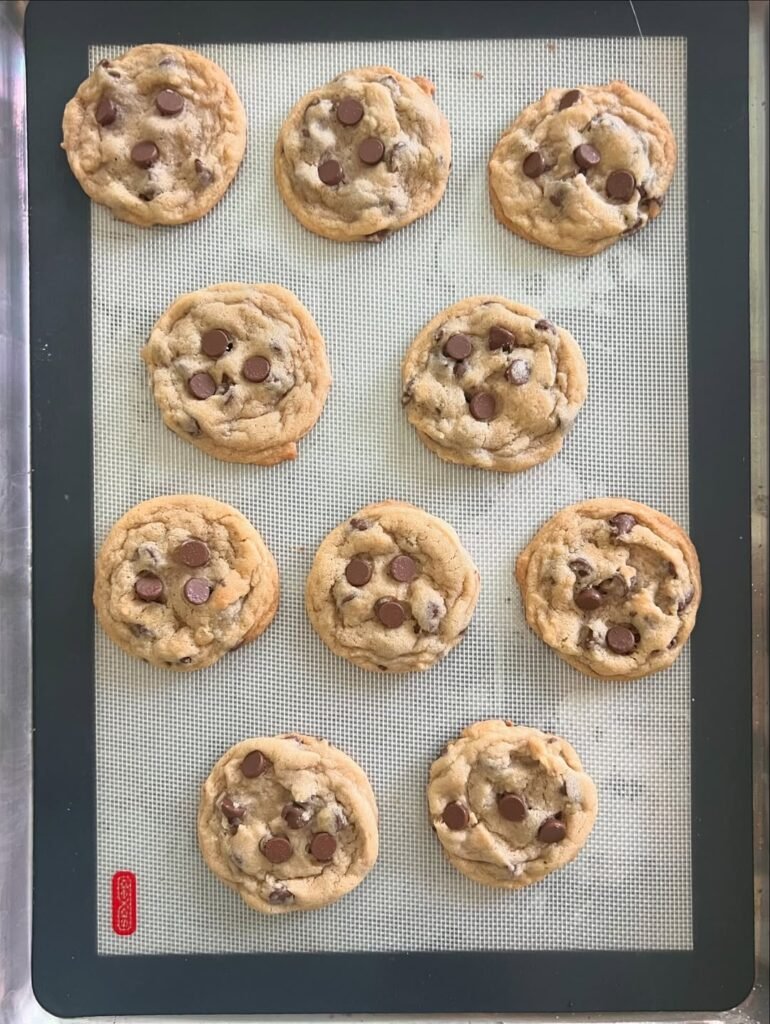
Chocolate chip cookies are one of the most beloved homemade desserts, yet many bakers experience the same confusing issue: cookies that spread too much and turn out flat instead of thick and chewy.
The cause is rarely a single mistake. Instead, flat cookies usually result from a combination of ingredient balance, dough temperature, and baking technique.
Perfect cookies depend on a delicate balance between butter, flour, sugar, eggs, and leavening agents.
These ingredients work together to create structure, moisture, and flavor. If even one element is slightly incorrect, the cookie dough may spread excessively before it has time to set in the oven.
Understanding the science behind cookie baking can help identify the cause of the problem and prevent it from happening again.
With a few simple adjustments, it is possible to transform flat cookies into thicker, softer, bakery-style chocolate chip cookies.
Understanding Why Chocolate Chip Cookies Turn Out Flat
To understand why my cookies are flat, it helps to look at the baking process step by step.
When cookie dough enters the oven, several chemical and physical reactions occur:
- Butter begins melting.
- Sugar dissolves into the butter.
- The dough softens and spreads.
- Eggs and flour start forming a structure.
- Leavening agents create air pockets.
- The cookie finally sets and browns.
Ideally, the cookie should rise slightly and set before spreading too far. However, if the fat melts faster than the structure forms, the dough spreads outward across the baking sheet. This results in thin, flat cookies.
Several factors influence this balance, including:
- butter temperature
- sugar ratio
- flour quantity
- dough temperature
- oven heat
Even small differences in these variables can dramatically change the final texture of the cookies.
For example, a dough that contains slightly less flour or slightly warmer butter can produce cookies that spread much more than expected.

Top Reasons Your Chocolate Chip Cookies Came Out Flat
Flat cookies almost always result from an ingredient imbalance or improper baking technique. Below are the most common causes.
Butter Temperature Was Too Warm
Butter temperature plays a critical role in cookie structure.
Most cookie recipes require room-temperature butter, but many people misunderstand what that actually means.
Properly softened butter should still feel cool and hold its shape when pressed. It should not be oily, shiny, or partially melted.
When butter becomes too warm, the fat separates from the dough more quickly during baking. As soon as the cookies enter the oven, the butter melts rapidly and causes the dough to spread before the flour and eggs can form a structure.
This is one of the most common answers to the question of why cookies spread too much.
Signs butter was too warm
- Dough feels greasy or sticky
- Cookies spread immediately after baking
- Cookies become thin with crisp edges
How to fix this problem
- Allow butter to soften naturally at room temperature
- Avoid microwaving butter to soften it
- Chill the dough for 20–30 minutes before baking
These small adjustments can dramatically improve cookie thickness.
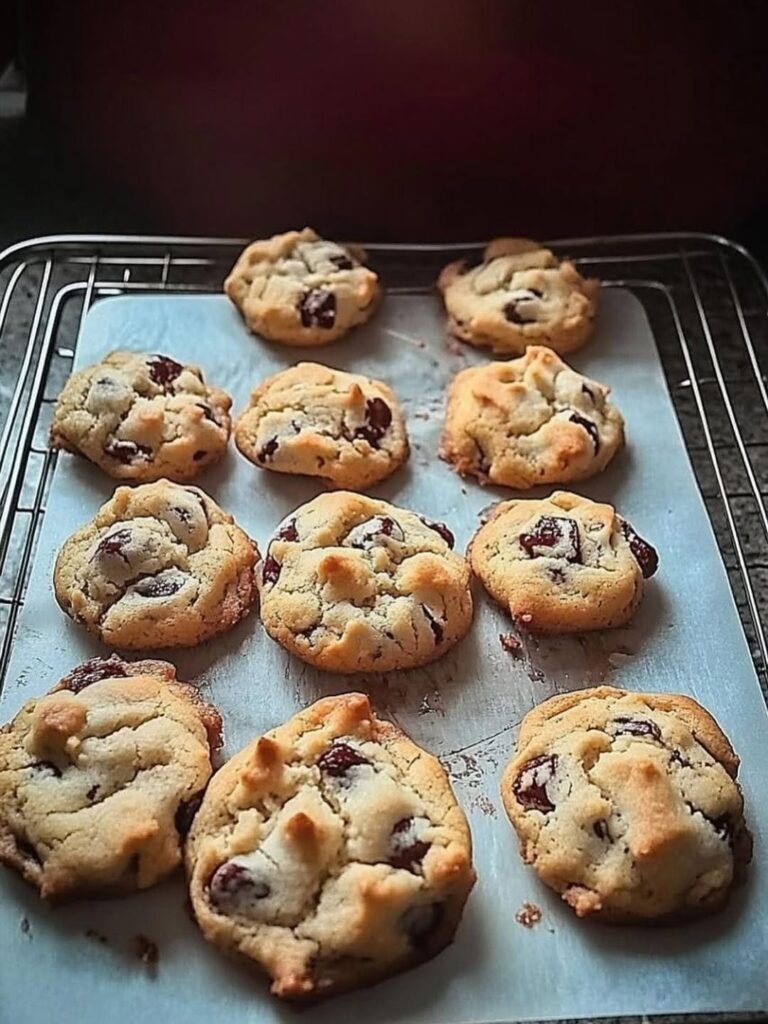
Too Little Flour in Cookie Dough
Flour provides the structural backbone of cookies.
When flour mixes with liquid ingredients like eggs and butter, gluten begins forming. Gluten creates a network that holds the cookie together as it bakes.
If there is too little flour, the dough lacks the strength to support itself. As the butter melts, the cookie spreads outward because nothing is holding the structure in place.
Incorrect flour measurement is a very common mistake. Many bakers scoop flour directly with the measuring cup, which compresses the flour and results in inaccurate measurements.
Correct flour measurement method
- Use a spoon to add flour to the measuring cup.
- Fill the cup loosely without packing it.
- Level the top with a knife.
This method ensures the correct amount of flour and prevents cookies from spreading excessively.
Too Much Sugar in Cookies
Sugar affects both flavor and structure in cookies.
While sugar provides sweetness and moisture, too much sugar can cause cookies to spread more during baking. Sugar liquefies as it heats, turning into a syrup that softens the dough.
Granulated sugar promotes spreading, while brown sugar contains molasses that adds moisture and chewiness.
If the recipe contains a very high sugar ratio, the cookies may flatten because the dough becomes too soft during baking.
How to balance sugar properly
- maintain the recipe’s sugar ratio
- avoid adding extra sugar
- Combine both brown and white sugar
This combination produces cookies with a better balance of spread, chewiness, and flavor.
Expired or Incorrect Leavening Agents
Leavening agents such as baking soda and baking powder help cookies rise.
These ingredients release carbon dioxide during baking, creating small air pockets that make cookies lighter and thicker.
However, if baking soda or baking powder has expired, it may no longer react properly. As a result, the cookie dough does not rise and instead spreads flat across the pan.
Sign that the leavening agents are ineffective
- Cookies look dense and flat
- Cookies lack a light texture
- dough does not puff during baking
Replacing baking soda regularly ensures consistent results.

Incorrect Oven Temperature
Oven temperature strongly influences how cookies bake.
If the oven temperature is too low, the butter melts before the cookie structure forms. This causes the dough to spread outward rather than rise.
Many ovens are slightly inaccurate, sometimes running 10–25 degrees hotter or cooler than the displayed temperature.
Best oven practices
- Preheat the oven fully before baking
- Use an oven thermometer
- bake cookies around 350°F (175°C)
Correct oven heat allows cookies to set properly before spreading too much.
Cookie Dough Too Soft
Soft dough is another major reason cookies spread too thin.
When the dough becomes overly soft, the fat melts extremely quickly in the oven. The cookie structure does not have enough time to develop before the dough spreads across the baking sheet.
This often happens when:
- butter was too warm
- dough sat at room temperature too long
- The kitchen is very warm
Solution: chill the dough
Chilling cookie dough allows:
- butter to firm up
- flour to absorb moisture
- gluten to strengthen
Even 30 minutes of chilling can significantly reduce spreading.
Baking Tips: Why Cookies Spread Too Much
Understanding the science of cookies helps explain why certain mistakes cause flat cookies.
The Role of Fat in Cookie Dough
Butter contains roughly 80% fat and 20% water.
When heated, the fat melts and spreads throughout the dough. This process creates the classic thin edges of cookies.
However, if too much fat melts before the cookie structure sets, the dough spreads excessively.
Some professional bakeries mix butter with shortening to control spreading, since shortening melts at a higher temperature.
How Sugar Affects Cookie Spreading
Sugar contributes to texture in several ways.
During baking, sugar dissolves into the melted butter and forms a syrup that softens the dough. The more sugar present, the more the cookie spreads.
Different sugars create different results:
Granulated sugar
- promotes crisp edges
- increases spreading
Brown sugar
- retains moisture
- produces thicker cookies
Using a balanced mixture of both sugars creates a better cookie structure.
Gluten Structure and Flour Balance
Flour forms gluten when mixed with liquid.
Gluten creates elasticity and structure in cookie dough. Without enough gluten development, cookies lack the strength to hold their shape during baking.
However, too much mixing can also create too much gluten, which may make cookies tough.
The key is finding the right balance between structure and tenderness.
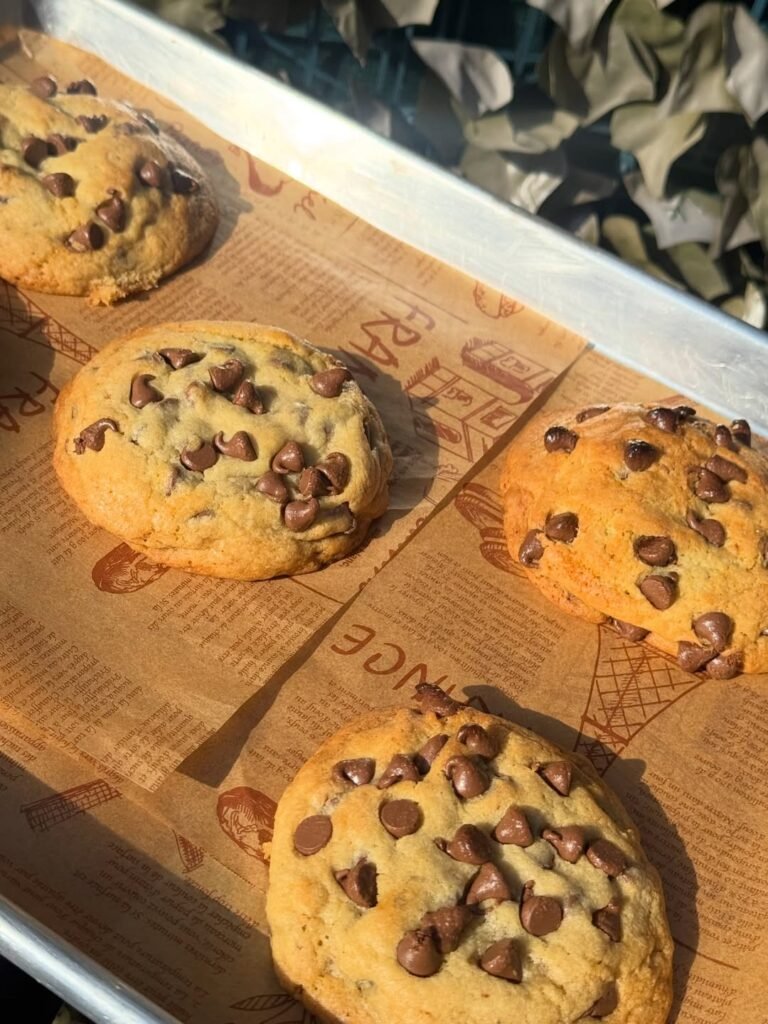
How to Fix Flat Chocolate Chip Cookies
If cookies turned out flat, several adjustments can improve the next batch.
Chilling Cookie Dough Before Baking
Chilling cookie dough is one of the most effective baking techniques.
When dough rests in the refrigerator, three important things happen:
- Butter solidifies
- Flour absorbs moisture
- Flavor compounds develop
Because the fat is colder, the cookies spread more slowly during baking.
Professional bakers often chill dough for 12 to 24 hours to create thicker cookies with deeper flavor.
Adjusting Ingredient Ratios
If cookies consistently turn out flat, small ingredient adjustments can help.
Possible fixes include:
- Adding 1–2 tablespoons of flour
- Reducing butter slightly
- lowering sugar by a small amount
These changes help strengthen the dough and reduce spreading.
Using the Correct Butter Temperature
Butter should be soft but not melted. A simple test is pressing a finger gently into the butter. It should leave an indentation but still feel firm.
If the butter becomes too soft, refrigerating the dough briefly can restore the proper consistency.
Checking Baking Soda vs Baking Powder
Many cookie recipes require baking soda rather than baking powder.
Baking soda reacts with acidic ingredients such as brown sugar. This reaction creates gas bubbles that help cookies rise.
Using the wrong leavening agent may lead to flat cookies. Always follow the exact recipe instructions when measuring leavening ingredients.
How to Stop Cookies from Spreading Too Much
Preventing cookie spread requires attention to small details.
Measure Ingredients Correctly
Baking is a precise process. Even a small difference in flour or butter can change the texture of cookies dramatically.
For best results:
- Use accurate measuring cups
- level ingredients carefully
- Weigh ingredients when possible
Precision leads to consistent baking results.
Use the proper baking sheet temperature.
A hot baking sheet can melt butter instantly. If cookie dough is placed on a warm sheet from a previous batch, the cookies may begin spreading before they even enter the oven. Always allow baking sheets to cool between batches.
Test Oven Temperature Accuracy
- An oven thermometer helps ensure the correct temperature.
- If the oven runs too cool, cookies may spread excessively before setting.
- Checking the oven temperature regularly improves baking consistency.
Tips for Achieving the Perfect Chocolate Chip Cookie Texture
The perfect cookie texture is a balance between crispy edges and a soft center.
To achieve this ideal texture:
- Chill the dough before baking
- Use accurate ingredient measurements
- Bake cookies at the correct temperature
- avoid overmixing the dough
These techniques help create cookies that are thick, chewy, and full of flavor.
Many professional bakers also allow cookies to rest on the baking sheet for a few minutes after baking. This allows the structure to finish setting while keeping the center soft.
Frequently Asked Questions
Why are my cookies flat but still soft?
Flat cookies often occur when butter melts too quickly. The cookies may remain soft because sugar retains moisture even after spreading.
Can melted butter cause flat cookies?
Yes. Melted butter releases fat immediately during baking, which causes cookie dough to spread rapidly.
Does chilling cookie dough really help?
Yes. Chilling dough slows the melting of butter and allows flour to absorb moisture, which reduces spreading and improves flavor.
How do bakeries make thick cookies?
Professional bakeries use several techniques:
- Chilling dough overnight
- precise ingredient ratios
- accurate oven temperatures
These methods help produce thicker cookies with a consistent texture.