
The 5 ingredient chocolate chip cookies without brown sugar recipe is designed for simplicity, speed, and reliable results.
It allows home bakers to prepare delicious cookies using basic pantry staples while maintaining the classic chocolate chip cookie taste and texture.
Many traditional cookie recipes rely on brown sugar for moisture and caramel flavor. However, cookies made with white sugar can still deliver soft centers, crispy edges, and rich chocolate flavor when the ingredient balance is correct.
This recipe focuses on:
- minimal ingredients
- easy preparation
- fast baking time
- consistent texture
- beginner-friendly steps
Why Make Chocolate Chip Cookies Without Brown Sugar
Running Out of Brown Sugar
One of the most common reasons for searching for this recipe is convenience. Many households run out of brown sugar but still want fresh homemade cookies.
Recipes using white sugar provide a practical solution without requiring extra shopping or complex substitutions.
Health and Ingredient Simplicity
Using only five ingredients reduces:
- additives
- preservatives
- unnecessary sugars
- complex baking steps
This supports a cleaner and simpler baking approach.
Texture and Flavor Differences
Cookies without brown sugar tend to have:
- slightly crisp edges
- lighter color
- cleaner sweetness
- buttery flavor
- mild caramel notes
Brown sugar typically adds moisture and chewiness due to its molasses content, while white sugar yields a crisper texture.
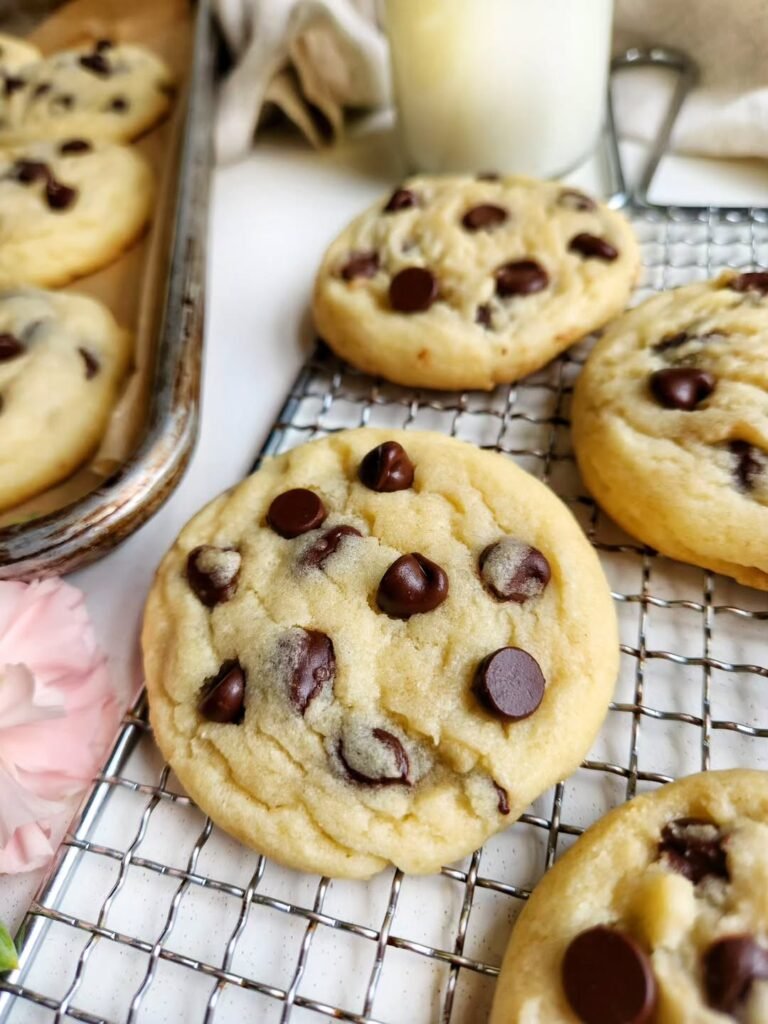
Ingredients for 5 Ingredient Chocolate Chip Cookies Without Brown Sugar
The recipe requires only five essential ingredients.
Granulated White Sugar (Ingredient & Quantity)
Granulated white sugar is the core sweetening and structure-building ingredient in 5-ingredient chocolate chip cookies without brown sugar.
It directly controls sweetness, spread, texture, and surface crispness, making it essential for achieving bakery-style cookies with only five ingredients.
Ingredient Quantity
- Granulated white sugar: ¾ cup (150 grams)
This quantity creates the ideal balance between sweetness, moisture retention, and cookie spread while maintaining a soft center and lightly crisp edges.
Why Granulated White Sugar Is Important
Granulated white sugar performs multiple critical baking functions:
- enhances the natural sweetness of chocolate chips
- helps cookies spread evenly in the oven
- creates a light golden surface
- supports a slightly crisp outer layer
- stabilizes the butter and egg mixture
- improves overall cookie structure
This makes white sugar the primary texture controller in the recipe when brown sugar is not used.
How Granulated Sugar Affects Cookie Texture
The use of granulated white sugar produces:
- lighter-colored cookies
- crisp edges
- smooth surface
- balanced sweetness
- slightly firm exterior with soft center
Because it contains no molasses, it creates a clean and buttery flavor profile compared to traditional recipes.
Best Way to Use Granulated Sugar
For best results:
- Use fine granulated sugar
- Cream sugar with softened butter
- Mix until light and fluffy
- Avoid overmixing
- Maintain correct measurement
This process improves air incorporation and cookie softness, ensuring consistent baking performance.
Pro Tip for Better Results
Slightly increasing granulated sugar by 1–2 tablespoons can:
- improve cookie spread
- enhance crisp edges
- boost caramelization
- create bakery-style texture
However, excessive sugar may result in overly thin cookies, so precise measurement is essential.
Ingredient Summary
| Ingredient | Quantity | Purpose |
|---|---|---|
| Granulated White Sugar | ¾ cup (150g) | Sweetness, spread, crisp texture, structure |
Granulated white sugar remains the most reliable and efficient substitute for brown sugar, allowing the recipe to maintain simplicity while delivering soft, chewy, and flavorful chocolate chip cookies.
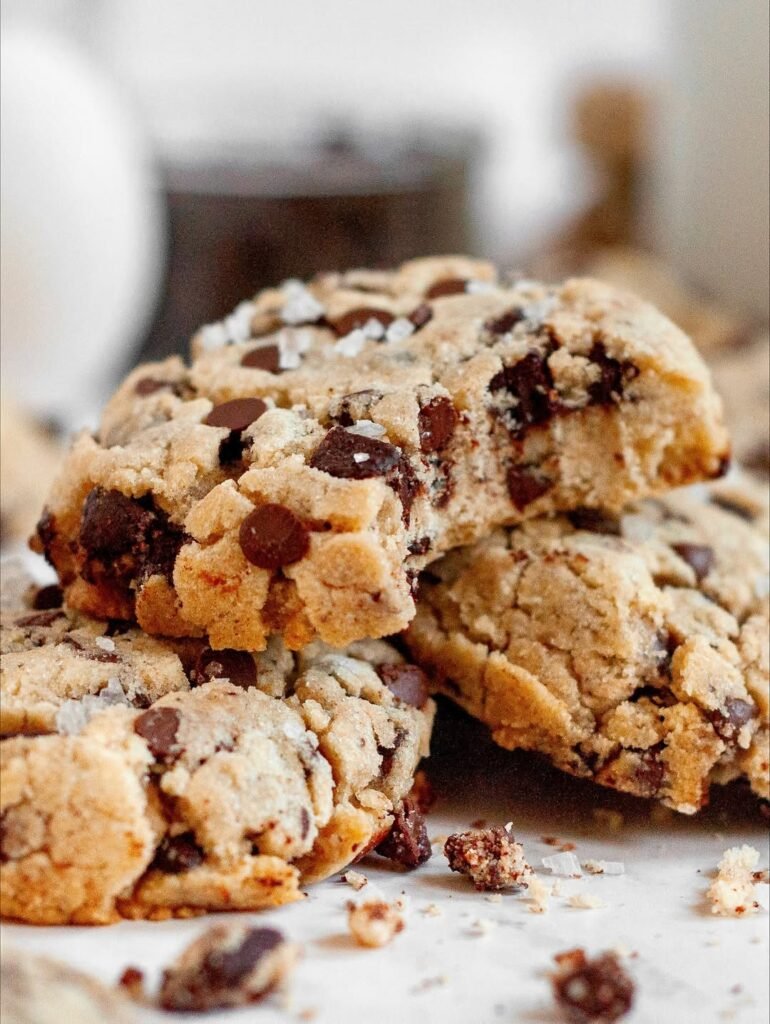
Butter (Ingredient & Quantity)
Butter is the flavor engine and texture builder in 5-ingredient chocolate chip cookies without brown sugar. It delivers rich taste, soft crumb, and smooth dough consistency while helping cookies bake evenly and develop golden edges.
Ingredient Quantity
- Unsalted Butter: ½ cup (113 grams), softened.
This quantity creates the ideal balance between moisture, richness, and cookie spread, ensuring soft centers and slightly crisp edges without making the dough greasy.
Why Butter Is Essential
Butter performs several powerful baking functions:
- creates a rich and creamy flavor profile
- improves dough smoothness and blendability
- supports even heat distribution during baking
- helps sugar dissolve properly
- produces a tender and soft cookie texture
- enhances golden surface color
This makes butter the primary moisture and flavor carrier in the recipe.
Best Way to Use Butter
For best baking performance:
- Use softened butter at room temperature
- Avoid melted butter to prevent flat cookies
- cream butter with sugar for 2–3 minutes
- mix until light and fluffy
- Ensure even consistency before adding the egg
This technique improves air incorporation, softness, and structural stability.
Pro Tip
Using high-quality butter can:
- enhance flavor depth
- improve texture
- create bakery-style aroma
- produce smoother dough
Ingredient Summary
| Ingredient | Quantity | Purpose |
|---|---|---|
| Unsalted Butter | ½ cup (113g) | Moisture, flavor, texture, structure |
Butter remains the foundation of taste and softness in simple chocolate chip cookie recipes.
Egg (Ingredient & Quantity)
Egg acts as the binding and structure stabilizer, holding all ingredients together while creating a soft and cohesive cookie texture. It ensures the dough forms properly and bakes into uniform, tender cookies.
Ingredient Quantity
- Egg: 1 large (room temperature)
This amount provides enough protein and moisture to bind the ingredients without making the cookies dense or heavy.
Why Eggs Are Important
Egg provides essential baking benefits:
- binds flour, butter, and sugar together
- adds moisture and softness
- supports cookie structure
- improves texture elasticity
- enhances baking stability
- contributes to a light and tender crumb
This makes egg the structural support system in the recipe.
Best Way to Use an Egg
For consistent results:
- Use a room-temperature egg
- beat lightly before adding
- Mix evenly into butter and sugar
- Avoid overmixing after adding flour
This improves smooth blending and uniform baking.
Pro Tip
Room temperature egg helps:
- better mixing
- smoother dough
- even baking
- softer cookies
Ingredient Summary
| Ingredient | Quantity | Purpose |
|---|---|---|
| Egg | 1 large | Binding, moisture, structure |
Egg ensures balanced texture and stable cookie formation.
Flour (Ingredient & Quantity)
Flour is the structural backbone of chocolate chip cookies, providing shape, firmness, and stability. It transforms soft dough into properly baked cookies with controlled spread and soft interior.
Ingredient Quantity
- All-Purpose Flour: 1¼ cups (155 grams)
This quantity ensures a strong structure and soft texture while preventing cookies from spreading too much.
Why Flour Is Essential
Flour delivers key baking advantages:
- builds cookie structure
- controls spread during baking
- stabilizes moisture levels
- supports soft interior texture
- improves dough consistency
- balances the butter and sugar ratio
This makes flour the main structural ingredient in the recipe.
Best Way to Use Flour
For best results:
- Measure flour accurately
- use spoon-and-level method
- Avoid packed flour
- Mix gently into the dough
- Stop mixing once combined
This prevents dense or dry cookies.
Pro Tip
Sifting flour can:
- improve softness
- reduce lumps
- create smoother dough
- enhance texture quality
Ingredient Summary
| Ingredient | Quantity | Purpose |
|---|---|---|
| All-Purpose Flour | 1¼ cups (155g) | Structure, stability, texture |
Flour provides shape and balance to the cookie recipe.
Chocolate Chips (Ingredient & Quantity)
Chocolate chips deliver the signature flavor and indulgent taste that define chocolate chip cookies. They provide sweetness bursts, mealy texture, and rich cocoa flavor in every bite.
Ingredient Quantity
- Chocolate Chips: ¾ cup (130 grams)
This amount ensures even chocolate distribution and balanced sweetness without overwhelming the dough.
Why Chocolate Chips Are Important
Chocolate chips enhance the recipe by:
- adding rich chocolate flavor
- creating soft, melted pockets
- improving the overall taste experience
- balancing sweetness and butter flavor
- increasing visual appeal
- delivering classic cookie identity
This makes chocolate chips the primary flavor highlight.
Best Way to Use Chocolate Chips
For best results:
- Use semi-sweet chocolate chips
- Mix evenly into the dough
- avoid overcrowding
- distribute uniformly
- Use high-quality chocolate
This ensures consistent flavor and smooth texture.
Pro Tip
Using chocolate chunks instead of chips can:
- increase chocolate richness
- create gooey texture
- improve visual appeal
- deliver bakery-style cookies
Ingredient Summary
| Ingredient | Quantity | Purpose |
|---|---|---|
| Chocolate Chips | ¾ cup (130g) | Flavor, sweetness, texture |
Chocolate chips provide the final flavor boost and classic cookie experience.
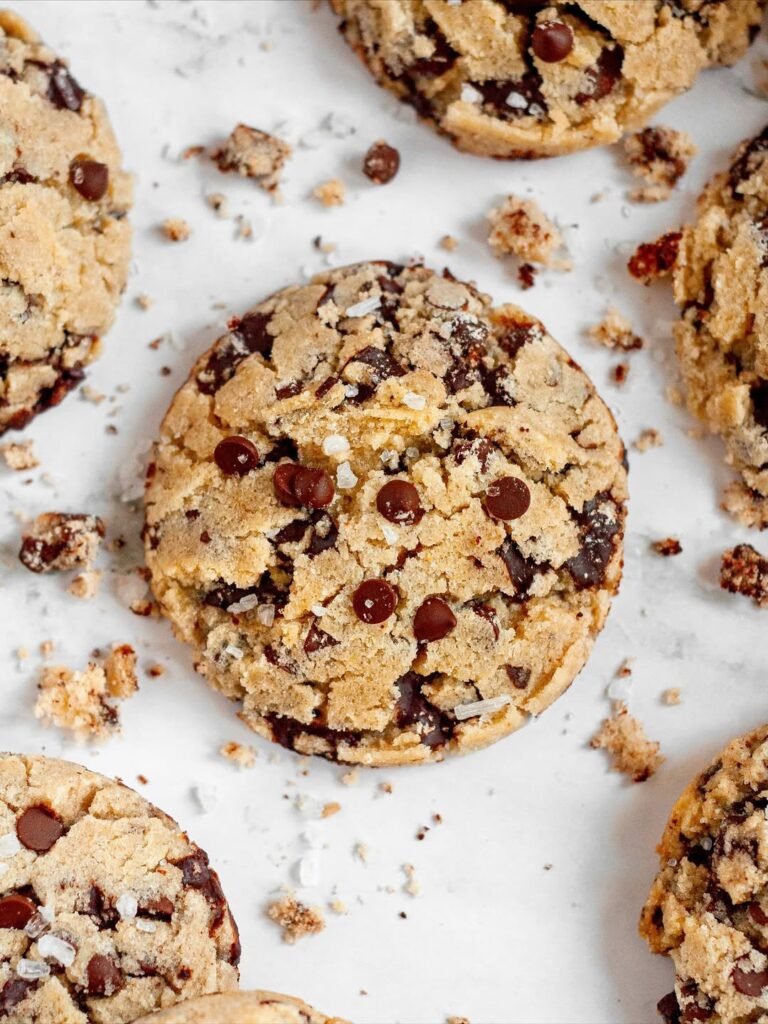
Step-by-Step Recipe Instructions
Preparation
Preparation is the foundation of a successful cookie recipe, ensuring smooth workflow, accurate measurements, and consistent baking results. Proper setup reduces errors and improves texture, flavor, and appearance.
Required Ingredients and Quantity
- ½ cup unsalted butter (softened)
- ¾ cup granulated white sugar
- 1 large egg (room temperature)
- 1¼ cups all-purpose flour
- ¾ cup chocolate chips
Essential Preparation Steps
- Preheat oven to 350°F (175°C)
- Line a baking tray with parchment paper
- Bring butter and egg to room temperature
- Measure ingredients accurately
- Prepare a mixing bowl and baking tools
This preparation stage ensures better dough consistency, even baking, and a reliable cookie structure.
Pro Tip
Accurate measurement and proper temperature control can:
- prevent flat cookies
- improve softness
- enhance texture
- create bakery-style results
Preparation is the key driver of smooth baking execution.
Mixing Ingredients
Mixing ingredients correctly builds the cookie dough structure and texture balance. Controlled mixing helps combine butter, sugar, egg, and flour into a smooth and stable dough.
Ingredients Used in Mixing
- ½ cup butter
- ¾ cup white sugar
- 1 egg
- 1¼ cups flour
- ¾ cup chocolate chips
Mixing Process
- Cream butter and sugar until light and smooth
- Add egg and mix evenly
- Gradually add flour while stirring gently
- Fold chocolate chips into the dough
- Stop mixing once the dough forms
This process ensures soft dough, proper air incorporation, and balanced moisture distribution.
Pro Tip
Avoid overmixing because it can:
- create dense cookies
- reduce softness
- affect texture
- weaken structure
Proper mixing produces smooth, rich, and stable cookie dough.
Shaping Cookies
Shaping cookies determines size, thickness, and baking uniformity. Proper shaping ensures even cooking and attractive presentation.
Ingredients Involved
Prepared cookie dough made from:
- butter
- sugar
- egg
- flour
- chocolate chips
Shaping Steps
- Scoop equal portions of dough
- Roll into small balls
- Place on a baking tray
- Leave 2-inch spacing between cookies
- Slightly flatten the dough
This method promotes uniform spreading and consistent baking performance.
Pro Tip
Using a cookie scoop helps:
- maintain equal size
- improve appearance
- ensure even baking
- create professional-looking cookies
Shaping plays a critical role in visual quality and texture consistency.
Baking Process
The baking process transforms soft dough into golden, flavorful cookies with perfect texture. Temperature and timing directly affect softness and crispness.
Baking Requirements
- Oven temperature: 350°F (175°C)
- Baking time: 10–12 minutes
- Baking tray with parchment paper
- Prepared cookie dough
Baking Steps
- Place the tray in the preheated oven
- Bake for 10–12 minutes
- Watch for golden edges
- Keep the center slightly soft
- Remove from the oven carefully
This process ensures even baking, balanced texture, and rich flavor development.
Pro Tip
Slight underbaking can:
- improve softness
- create a chewy texture
- enhance flavor
- prevent dryness
Controlled baking produces soft and delicious cookies every time.
Cooling and Serving
Cooling and serving complete the baking process by stabilizing the cookie structure and enhancing flavor. Proper cooling prevents breakage and improves texture.
Ingredients Used
Freshly baked cookies made from:
- butter
- sugar
- egg
- flour
- chocolate chips
Cooling Steps
- Let cookies rest on the tray for 5 minutes
- Transfer to a wire rack
- Allow full cooling for 10 minutes
- Serve warm or store
Cooling helps cookies:
- firm up properly
- retain softness
- improve flavor
- maintain structure
Serving Suggestions
Cookies can be served with:
- milk
- coffee
- tea
- ice cream
Pro Tip
Storing cookies in an airtight container helps:
- retain moisture
- preserve softness
- extend freshness
- maintain flavor
Cooling and serving ensure perfect texture, rich taste, and an enjoyable eating experience.
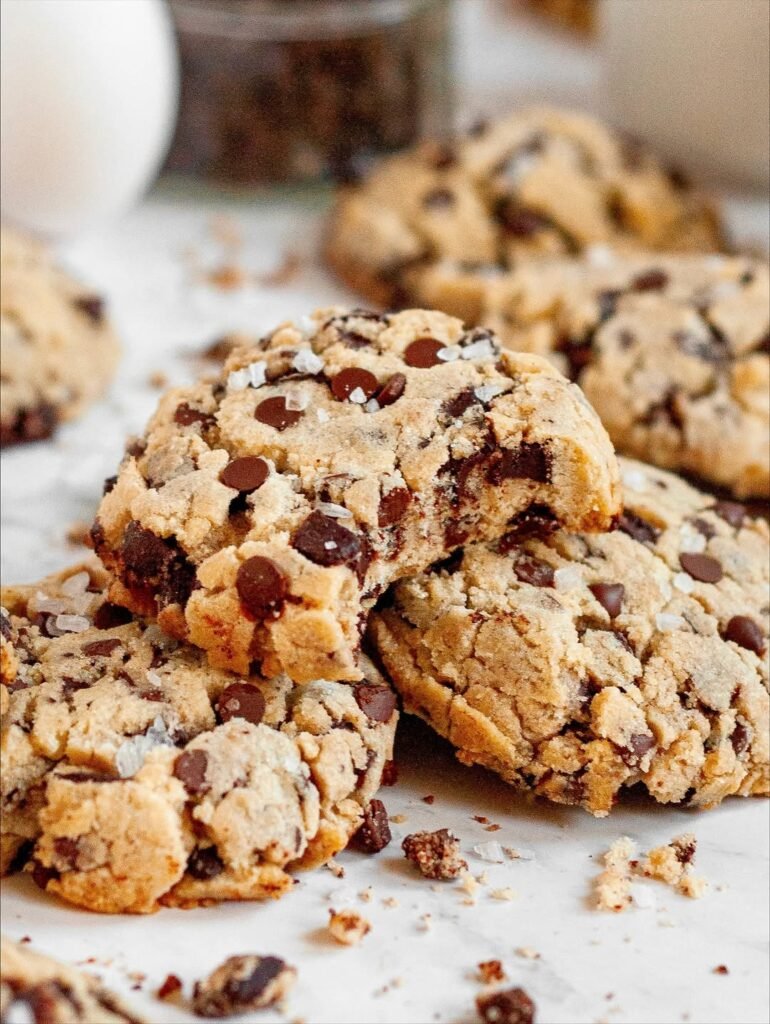
How Cookies Work Without Brown Sugar
Role of Sugar
White sugar:
- promotes spreading
- creates crisp edges
- enhances sweetness
- supports browning
Role of Butter
Butter:
- adds moisture
- improves texture
- enhances flavor
- helps caramelization
Role of Flour
Flour:
- forms structure
- stabilizes dough
- balances moisture
Texture Differences
Without brown sugar, cookies become:
- lighter
- crispier
- less chewy
- more buttery
Understanding these roles helps optimize results.
Tips for Soft and Chewy Chocolate Chip Cookies Without Brown Sugar
- Use softened butter
- Do not overmix the dough
- Bake for a shorter time
- Use a room-temperature egg
- Avoid too much flour
- Let cookies rest after baking
These tips improve softness and prevent dryness.
Substitutes for Brown Sugar in Chocolate Chip Cookies
Possible alternatives:
- white sugar
- coconut sugar
- honey
- maple syrup
- molasses mix
White sugar remains the most reliable substitute for structure and texture.
Nutrition Information
Average per cookie:
- Calories: 180–240
- Carbohydrates: 25g
- Fat: 10g
- Protein: 3g
- Sugar: 15g
Values vary depending on ingredients.
Frequently Asked Questions
Can chocolate chip cookies be made without brown sugar?
Yes, cookies can be made using white sugar and still maintain good texture and flavor.
Do cookies taste different without brown sugar?
Yes, they become lighter and slightly crispier.
Can white sugar replace brown sugar?
Yes, white sugar is the most common substitute.
Why are my cookies hard?
Overbaking or too much flour usually causes hardness.
How to keep cookies soft?
Store in an airtight container and avoid overbaking.
Conclusion
The 5-ingredient chocolate chip cookies without brown sugar recipe is a practical and efficient solution for anyone who wants quick, homemade cookies with minimal ingredients.
It provides:
- easy preparation
- reliable texture
- flexible variations
- beginner-friendly steps
- strong flavor
By understanding ingredient roles and baking science, anyone can consistently produce soft, delicious cookies without relying on brown sugar.