Banana bread is one of the most loved homemade baked goods, known for its rich flavor, soft texture, and comforting sweet smell.
However, the success of this recipe often depends on one key factor, which is banana ripeness. In reality, bananas that look overly dark or unattractive are usually the best bananas for banana bread.
As bananas ripen, their starch gradually converts into natural sugar, which improves sweetness, aroma, and moisture in baked goods.
Because of this transformation, overripe bananas can dramatically improve the taste and texture of banana bread.
Understanding banana ripeness stages, recognizing when bananas are still usable, and identifying when they have actually spoiled can help bakers achieve consistently delicious results.
Understanding Banana Ripeness Stages
Bananas go through several natural ripening stages. Each stage changes the fruit’s sweetness, texture, and suitability for baking.
Understanding these stages makes it easier to choose the right bananas for banana bread.
Green Bananas (Unripe Stage)
Green bananas are the earliest stage of ripeness. At this stage, the fruit is firm and contains mostly starch instead of sugar.
Characteristics of green bananas include:
- Very firm texture
- Mild or almost neutral flavor
- Low sugar content
- Difficult to mash
Because of these qualities, green bananas are generally not suitable for banana bread. The starch has not yet been converted into sugar, so the bread may taste bland and lack the rich banana flavor most recipes aim for.
Additionally, the firm texture makes the bananas difficult to mash smoothly into batter, which can affect the final consistency of the baked bread.
Yellow Bananas (Eating Stage)
Bright yellow bananas represent the stage most people enjoy eating fresh. These bananas are slightly sweet and firm but not overly soft.
Typical characteristics include:
- Smooth yellow peel
- Mild sweetness
- Firm interior
- Slight banana aroma
While yellow bananas can technically be used for baking, they are still not ideal for banana bread. The flavor will be milder, and the bread may require extra sugar to achieve the desired sweetness.
Most baking experts recommend waiting until bananas develop brown spots before using them in baking recipes.
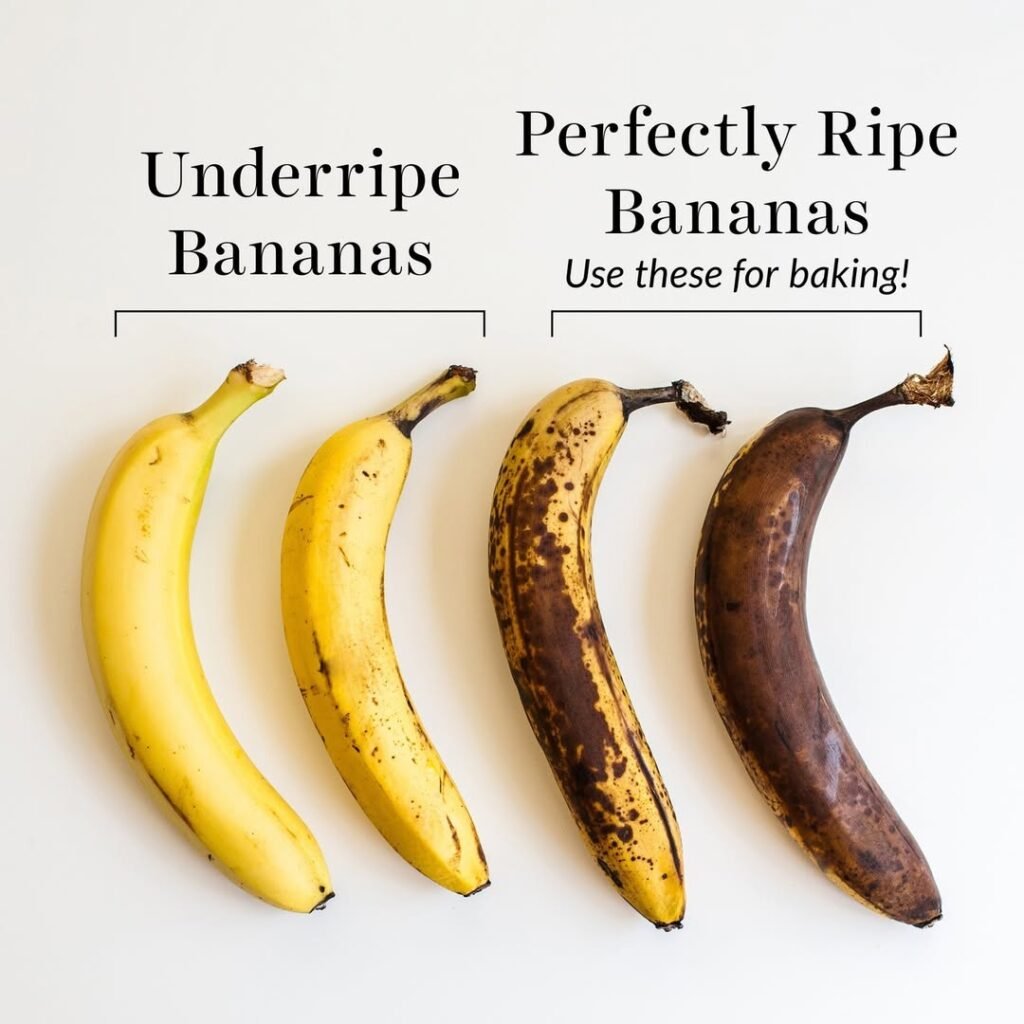
Brown-Spotted Bananas (Perfect for Baking)
Bananas with brown spots are widely considered the perfect stage for banana bread.
During this stage:
- Starch converts into sugar
- The fruit becomes softer
- The banana aroma becomes stronger
- The peel develops brown spots
These bananas mash easily and blend smoothly into the batter. The natural sweetness helps enhance flavor without requiring excessive added sugar.
Because of their balance of sweetness, moisture, and flavor, brown-spotted bananas are often considered the best bananas for banana bread.
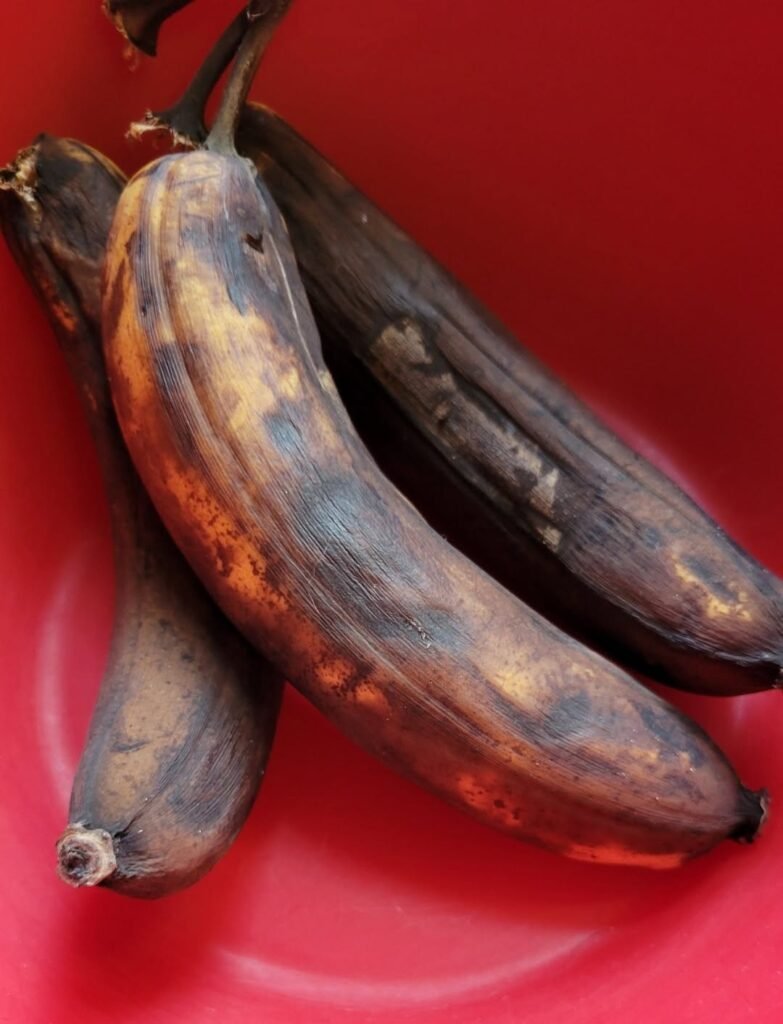
Black Bananas (Very Overripe but Still Usable)
When bananas turn mostly black on the outside, many people assume they have gone bad. However, this stage often produces the most flavorful banana bread.
At this stage:
- The peel becomes dark brown or black
- The fruit becomes extremely soft
- Sugar concentration is at its highest
- The banana aroma is very strong
Despite their appearance, these bananas are usually still safe for baking as long as they do not show signs of spoilage.
In fact, many experienced bakers intentionally wait until bananas reach this stage because they provide deeper flavor and improved moisture in baked goods.
How Ripe Should Bananas Be for Banana Bread?
The ideal banana ripeness for baking usually falls between brown-spotted and mostly dark bananas.
At this stage, bananas provide the perfect balance of sweetness and moisture for banana bread. The fruit is soft enough to mash easily but still fresh enough to maintain its natural flavor.
Ideal baking bananas typically have:
- A peel covered with brown spots
- A soft interior texture
- A strong banana fragrance
- Slight stickiness from natural sugars
When bananas reach this stage, they can easily be mashed with a fork and blended into batter without lumps. The natural sweetness also reduces the need for additional sugar in the recipe.
These qualities make them perfect for achieving moist, flavorful banana bread with a tender crumb.
How ripe is too ripe for Bananas for Banana Bread?
Many people worry that bananas might become too ripe for baking. In most cases, bananas remain usable even when they appear extremely dark.
Bananas are usually still suitable for baking when:
- The peel is dark brown or black
- The fruit is very soft
- The banana smells sweet
- The texture is mushy but not spoiled
However, bananas can become too ripe for banana bread if they start to rot or grow mold.
Understanding the difference between natural ripeness and spoilage is essential for safe baking.
Signs Bananas Are Still Safe for Baking
Even extremely dark bananas may still be perfectly safe to use in banana bread.
Common signs that bananas are still good for baking include:
- Very soft flesh
- Sweet, strong banana aroma
- Dark or black peel
- Slightly syrupy texture when mashed
These characteristics simply indicate that the banana is very ripe and rich in natural sugar.
Such bananas are excellent for baking because they produce banana bread with a stronger flavor and better moisture.
Signs Bananas Are Too Ripe to Use
Although overripe bananas are often ideal for baking, there are situations where they should be discarded.
Bananas should not be used if they show signs of spoilage, such as:
- White, green, or fuzzy mold on the peel
- Sour or fermented smell
- Leaking liquid from the fruit
- Presence of fruit flies
- Completely rotten interior
These signs indicate bacterial growth or fermentation, which makes the bananas unsafe for consumption.
If any of these symptoms appear, the bananas are too ripe for banana bread and should be thrown away.
Mold vs Normal Browning
One of the most common mistakes people make is confusing normal ripening with mold.
Normal ripening includes:
- Brown spots on the peel
- Soft fruit texture
- Darkening skin
Actual spoilage, however, includes:
- Fuzzy mold patches
- Sour odor
- Wet or slimy texture
Understanding this difference helps prevent unnecessary food waste while also ensuring safe baking practices.
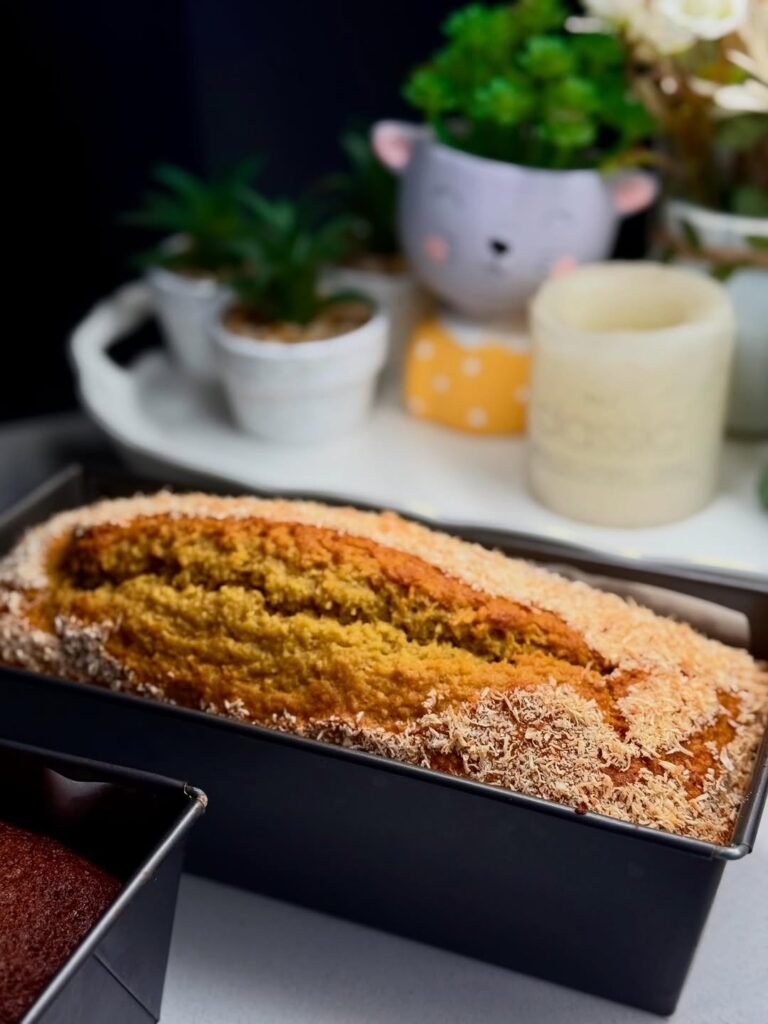
Can You Use Black Bananas for Banana Bread?
Yes, black bananas are often excellent for banana bread. Although their appearance may seem unpleasant, these bananas are usually at the peak of sweetness and flavor.
Flavor Benefits
As bananas ripen, their starch content breaks down into natural sugars such as glucose and fructose. This process dramatically increases sweetness and intensifies the banana flavor. Black bananas, therefore, recreate banana bread that tastes richer and more aromatic.
Moisture Benefits
Very ripe bananas also contain more moisture, which helps keep banana bread soft and tender. This added moisture prevents the bread from becoming dry or crumbly after baking.
Texture Considerations
Extremely ripe bananas are soft enough to mash easily, which helps create a smooth batter. Because of this soft texture, they blend well with other ingredients and produce a more uniform crumb in the final loaf.
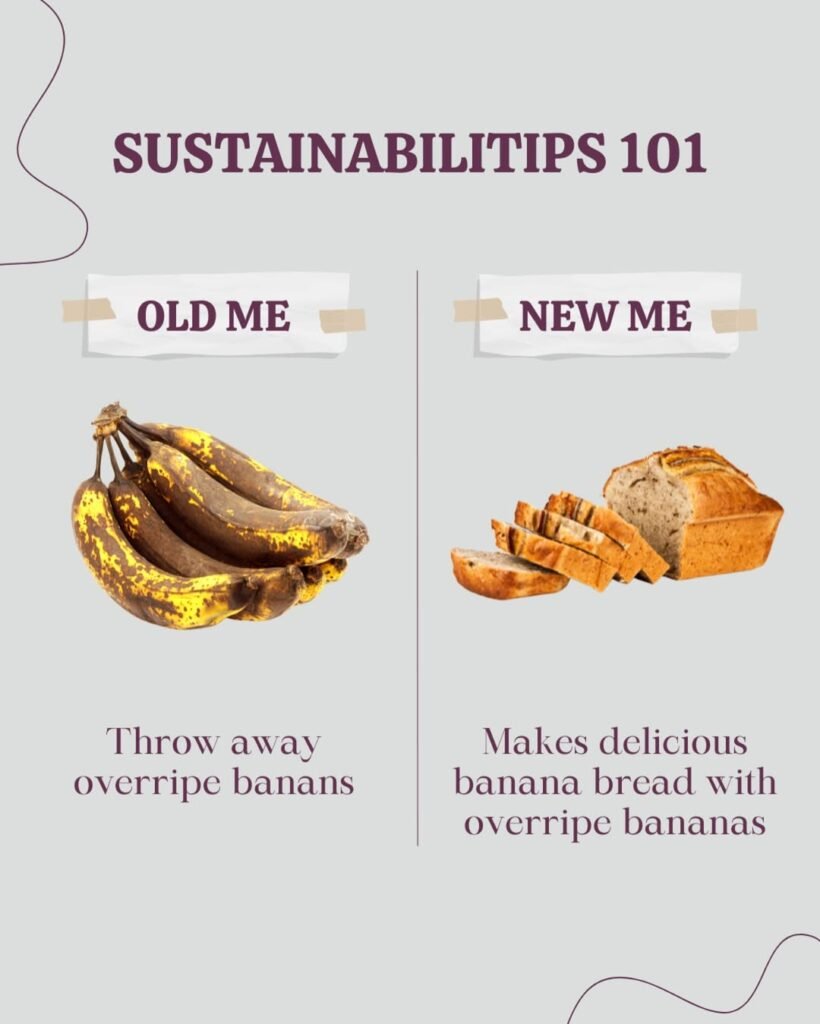
Why Overripe Bananas Are Better for Baking
Many professional bakers deliberately use overripe bananas for banana bread. Several scientific and culinary reasons explain why this practice produces better results.
Sugar Conversion During Ripening
During ripening, enzymes convert starch molecules into simple sugars. This process increases sweetness and improves flavor complexity. As a result, banana bread made with ripe bananas tastes naturally sweeter even without extra sugar.
Improved Banana Flavor
Ripe bananas develop stronger aromatic compounds that enhance their flavor. These compounds become more concentrated as the fruit ripens, which is why very ripe bananas smell more fragrant. This strong aroma transfers into the baked bread.
Easier Mixing
Soft bananas mash easily and incorporate smoothly into batter. This helps create an even distribution of banana flavor throughout the bread. It also improves the overall texture of the baked loaf.
How to Tell If Bananas Are Too Ripe (Quick Checklist)
A simple checklist can help determine whether bananas are suitable for baking.
Bananas are safe for banana bread if they:
- ✓ Are dark brown or black
- ✓ Mash easily with a fork
- ✓ Smell sweet and fruity
- ✓ Do not show mold
Bananas should be discarded if they:
- ✗ Have fuzzy mold
- ✗ Smell sour or fermented
- ✗ Leak liquid
- ✗ Appear rotten inside
Using this quick method can help bakers confidently decide whether bananas are still usable.
What to Do With Bananas That Are Almost Too Ripe
When bananas become very ripe, they should be used quickly to avoid waste. Fortunately, overripe bananas are extremely versatile in cooking and baking.
They can be used for:
- Banana bread
- Banana muffins
- Pancakes
- Smoothies
- Banana cake
- Banana oatmeal
Another effective option is freezing the bananas for future use.
Frozen bananas remain excellent for baking and can be stored for several months.
How to Ripen Bananas Quickly for Banana Bread
Sometimes bananas are not ripe enough when baking plans begin. Several simple techniques can speed up the ripening process.
Oven Method
- Placing bananas in a warm oven is one of the fastest ripening methods.
- Bake unpeeled bananas at 300°F (150°C) for about 15–20 minutes until the skins turn dark.
- The heat softens the fruit and simulates the natural ripening process.
Paper Bag Method
- Bananas release a natural gas called ethylene that accelerates ripening.
- Placing bananas in a paper bag traps this gas and speeds up the process.
- Adding an apple or avocado to the bag can make ripening even faster.
Freezing Method
- Freezing bananas is another useful trick.
- When bananas freeze, their cell structure breaks down, which softens the fruit after thawing.
- The result is a mushy texture that works perfectly for banana bread batter.
Common Mistakes When Choosing Bananas for Banana Bread
Many banana bread problems result from choosing the wrong bananas.
Common mistakes include:
- Using green bananas
- Throwing away overripe bananas too soon
- Usimoldy bananasldy
- Not freezing extra ripe bananas for later use
Avoiding these mistakes ensures better flavor and texture in the finished bread.
Frequently Asked Questions
Can bananas be too ripe to bake with?
Yes, bananas can become too ripe if they develop mold, a sour smell, or signs of rotting.
Are brown bananas safe for banana bread?
Yes. Brown bananas are actually ideal because they are sweeter and easier to mash.
Do black bananas make banana bread sweeter?
Yes. Very ripe bananas contain more natural sugar, which makes the bread sweeter and more flavorful.
Can frozen bananas be used for banana bread?
Yes. Frozen bananas thaw into a soft puree that blends perfectly into banana bread batter.
Final Thoughts: The Perfect Banana Ripeness for Banana Bread
Understanding banana ripeness is essential for baking the best banana bread.
In most cases, bananas are not too ripe for banana bread unless they have begun to spoil. Dark brown or even black bananas are often the best choice because they contain the highest level of natural sweetness and banana flavor.
For the best baking results:
- Use bananas with brown spots or dark skins
- Avoid moldy or sour-smelling fruit
- Freeze very ripe bananas for later use
By choosing the right bananas, bakers can consistently produce moist, flavorful, and perfectly sweet banana bread every time.